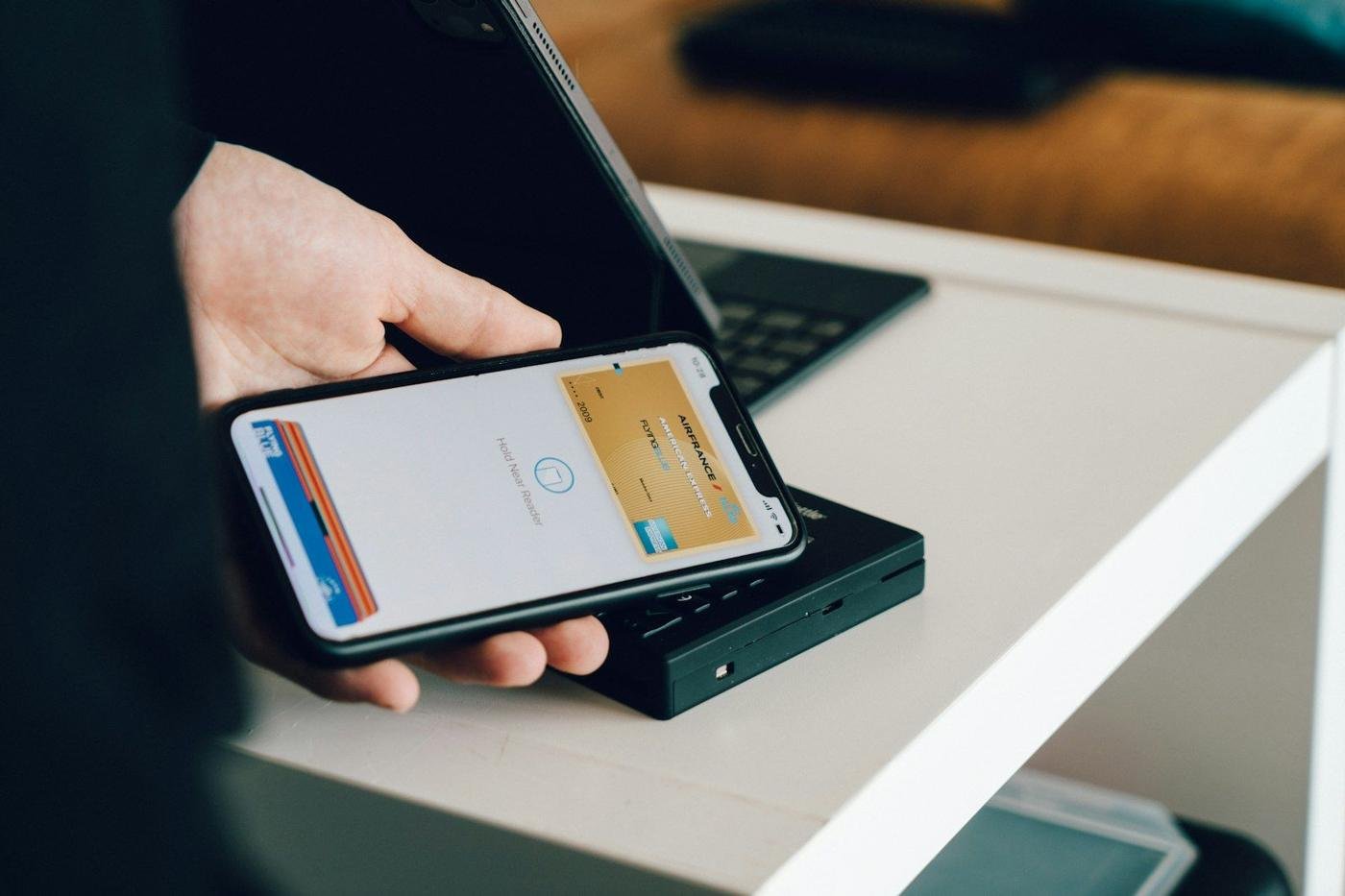
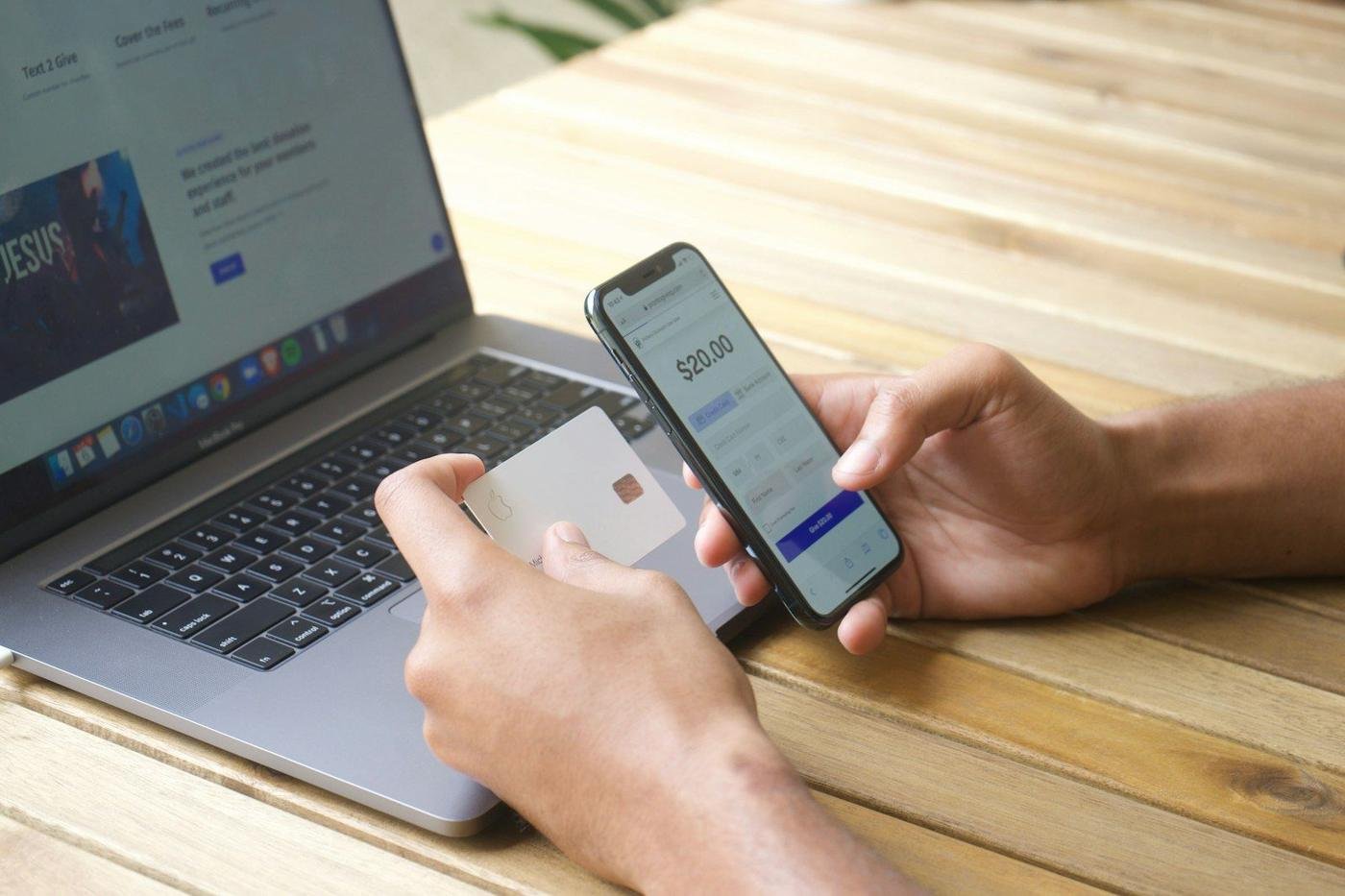
Payment testing is where small bugs become lost revenue. A checkout that works perfectly with a US Visa card can fail silently when a shopper in Mumbai pays with UPI or a buyer in Sao Paulo scans a Pix code. This guide walks you through what to test in each major market, the edge cases that break global checkout, and how to run payment testing on real rails before launch.
Key takeaways
- Every local payment method has its own flow: redirects, app switches, QR codes, OTPs or push approvals.
- Sandboxes cover card logic and webhooks, but real bank apps and wallets need real-account testing.
- The riskiest moment is the return to your app or site after the user approves payment elsewhere.
- Test currency, tax, address and language formats alongside the payment itself.
- Native testers on local networks and real payment accounts catch issues no lab can reproduce.
Why global payment testing is different
Domestic card checkout is fairly predictable. The user enters card details, maybe completes 3-D Secure, and the order confirms. Global checkout, however, involves dozens of payment methods with very different mechanics.
- Redirect methods such as iDEAL and Bancontact send the user to a bank, then back to you.
- App-switch methods such as UPI intent flows, MobilePay or Swish open another app on the same phone.
- QR and code methods such as Pix, PayNow and BLIK rely on scanning or typing a code.
- Push approval methods such as M-Pesa STK push ask the user to confirm on their handset.
- Voucher methods such as Boleto Bancario and Konbini let users pay later, in cash or by banking app.
- Buy now, pay later methods such as Klarna and Afterpay add credit checks and installment plans.
Each pattern has its own failure modes. As a result, your payment testing plan has to follow the money through every hop, not just the screen you own.
The universal payment testing checklist
Before going market by market, cover the checks that apply everywhere. Use this table as the base of every cycle.
| Area | What to check | Example bug title |
|---|---|---|
| Success path | Order confirms, receipt sent, inventory updated | “Order confirmation email missing after wallet payment” |
| Declines | Clear message, retry possible, no duplicate order | “Insufficient funds shows generic error with no retry” |
| Return from third party | Session and cart intact after redirect or app switch | “Cart empties after returning from bank app on iOS” |
| Abandonment | User cancels at the bank or wallet, order state is correct | “Cancelled iDEAL payment leaves order in pending for days” |
| Timeouts | Slow approvals and network drops resolve cleanly | “Pix QR expires but page still says waiting for payment” |
| Double submit | Repeated taps or refresh do not charge twice | “Two orders created when tapping Pay twice on 3G” |
| Refunds | Full and partial refunds reach the original method | “Partial refund on Klarna order shows full amount in app” |
| Formatting | Currency symbols, decimals, separators, tax display | “Price shows 1.299,00 EUR as 1,299.00 in German locale” |
| Strong authentication | 3-D Secure challenge, frictionless flow, fallback | “3DS challenge iframe cut off on small Android screens” |
Payment testing by market: Asia-Pacific
India: UPI, cards and wallets
UPI dominates digital payments in India. Users pay through intent flows that open an app such as Google Pay, PhonePe or Paytm, through collect requests to their UPI ID, or by scanning a QR code.
- Test the intent flow with several UPI apps installed, and with none installed.
- Check that collect requests time out gracefully and that your order state matches the bank result.
- Verify RuPay, Visa and Mastercard debit cards, including OTP delivery on Jio, Airtel and Vi.
- Confirm that prices show the rupee symbol and Indian digit grouping where you use it, for example 1,00,000.
Southeast Asia: e-wallets and QR
Indonesia, the Philippines, Thailand and Vietnam rely heavily on e-wallets and QR payments. For example, GoPay, OVO and DANA are common in Indonesia, while GCash and Maya lead in the Philippines.
- Test deep links into each wallet and the return to your app on mid-range Android devices.
- Check QR standards such as QRIS in Indonesia and PromptPay in Thailand.
- Verify behavior when the wallet balance is too low and the user tops up mid-flow.
Japan, Singapore and Australia
Japan mixes cards, PayPay and convenience store payments such as Konbini, which can complete hours later. Singapore uses PayNow QR widely. Australia has strong card and Apple Pay usage, plus buy now, pay later options like Afterpay.
- For Konbini, confirm that delayed payment confirmations update orders and trigger shipping.
- For Afterpay, test installment display, limits and declines at the credit check step.
Payment testing by market: Latin America
Brazil: Pix, Boleto and installments
Pix is now a default payment option for many Brazilian shoppers. Users either scan a QR code or copy a “Pix copia e cola” string into their banking app.
- Test QR scanning from a second device and copy-paste on the same phone.
- Check QR expiry, and confirm what the user sees when payment arrives after expiry.
- Verify Boleto generation, PDF download and the delayed confirmation flow, which can take a business day or more.
- Test card installments (parcelamento), including how interest and totals are displayed.
- Confirm CPF entry validation and formatting.
Mexico, Colombia and Argentina
Mexico combines cards with cash methods such as OXXO vouchers. Colombia uses PSE bank transfers. Argentina has frequent price changes and installment plans. Therefore, test voucher expiry, bank redirect returns and price display with large values and many digits.
Payment testing by market: Europe
Netherlands and Belgium: iDEAL and Bancontact
iDEAL is the leading online payment method in the Netherlands, and Bancontact plays a similar role in Belgium. Both rely on bank redirects or app approvals.
- Test the bank selection step and the switch to banking apps from ING, Rabobank, ABN AMRO and others.
- Check cancellation at the bank and the resulting order state.
- Verify Bancontact QR scanning from desktop and app-to-app on mobile.
Germany, Austria and the Nordics: Klarna, PayPal and invoices
German shoppers often prefer PayPal, invoice and direct debit options. Klarna is common across Germany, Austria and the Nordics, while Swish in Sweden and MobilePay in Denmark and Finland handle many mobile payments.
- Test Klarna pay later, pay in three and financing flows, including identity checks and declines.
- Check SEPA Direct Debit mandate text, IBAN validation and email confirmations.
- Verify German number formatting (1.299,00 EUR) and VAT display on every page.
Poland, France and the rest of the EEA
BLIK uses a six-digit code from the user’s banking app and is very popular in Poland. France has Cartes Bancaires co-badged cards, which may need specific routing. Across the EEA, strong customer authentication under PSD2 means many card payments trigger 3-D Secure. Consequently, test both frictionless and challenge flows on real devices and small screens.
Payment testing by market: Africa, the Middle East and North America
Kenya and East Africa: M-Pesa
M-Pesa is a core payment method in Kenya. Many integrations use an STK push, where the user receives a prompt on their phone and enters their PIN.
- Test on Safaricom SIMs with feature phone prompts and smartphones.
- Check what happens when the user ignores the prompt, enters a wrong PIN or has low balance.
- Confirm that callbacks update the order even if the user closes your app.
Middle East: Mada, Apple Pay and right-to-left checkout
In Saudi Arabia, Mada debit cards are widespread, and Apple Pay is popular across the Gulf. In addition, Arabic interfaces must render right to left without breaking card fields, which stay left to right.
US and Canada: wallets, cards and Interac
Apple Pay, Google Pay, PayPal and cards lead in the US. Canada adds Interac. Test address verification responses, ZIP and postal code formats, and sales tax recalculation when the shipping address changes.
How to run a global payment testing cycle
A structured process keeps payment testing safe and repeatable. Here is the sequence we recommend.
- Map methods to markets. List the top three payment methods per country by your own volume or launch plan.
- Decide sandbox vs real. Use provider sandboxes and test cards for declines and webhooks. Plan small real transactions, with refunds, for methods sandboxes cannot reproduce.
- Prepare accounts. Give every tester their own store account and clear spending limits.
- Pick testers in each market. Choose native testers on local carriers who already hold the relevant bank, wallet or card.
- Write method-specific cases. Cover success, decline, cancel, timeout, double submit and refund for every method.
- Test on real devices and networks. Include budget Android phones and slow mobile data, because return hops fail there first.
- Triage and verify. Reproduce, deduplicate and rank bugs, then retest fixes on the same method and device.
Security matters throughout. Testers should never collect or store card data, and you should keep your own scope aligned with the PCI Security Standards Council guidance. On TestGate, testers work under NDA with role-based access and audit logs. Learn more on our localization and payments testing page, and pair this guide with the localization testing checklist for the rest of the market launch.
Payment testing metrics worth tracking
Numbers keep the conversation with finance and product grounded. For example, track these per market and per method after each cycle:
- Method success rate in testing: the share of attempts that confirm on the first try.
- Return-hop failures: sessions lost after a redirect, app switch or OTP screen.
- Order state mismatches: cases where your order status differs from the provider result.
- Critical bugs by method: so you can see which integrations need more attention.
Because every approved bug arrives in your tracker with method, market, device and network attached, these numbers are easy to pull. See how results flow from testers to your backlog on the TestGate platform.
A sample three-market timeline
| Day | India | Brazil | Netherlands |
|---|---|---|---|
| Day 1 | UPI intent and collect, RuPay cards | Pix QR and copy-paste | iDEAL across four banks |
| Day 2 | Wallets, refunds, slow 4G | Boleto, installments, refunds | Cards with 3DS, Klarna, refunds |
| Day 3 | Fix verification | Fix verification | Fix verification |
Frequently asked questions
Can I do payment testing only in a sandbox?
Sandboxes are essential for card logic, declines and webhooks, but they rarely reproduce real bank apps, OTP delivery or app switching. Plan a small set of real, low-value transactions with refunds for each local method before launch.
Which payment methods should I test first?
Start with the methods that carry most of your volume in each market, then add the second and third most popular. For example, test UPI and cards in India, Pix and cards in Brazil, and iDEAL in the Netherlands.
What are the most common global checkout bugs?
Common issues include lost sessions after returning from a bank or wallet app, wrong currency formatting, failed 3-D Secure challenges, duplicate orders on retry and pending payments that never resolve.
Does payment testing require PCI compliance from testers?
Testers should never handle real cardholder data outside the normal checkout flow. Use tokenized flows, test cards where possible and dedicated test accounts, and keep your own PCI DSS scope rules in place.
How long does a global payment testing cycle take?
A focused cycle across three to five markets typically runs one to three days once testers have accounts and builds. On TestGate, cycles kick off in under 24 hours.
Test your global checkout with TestGate
Launching in a new market or adding a local payment method? Talk to us and run payment testing on real rails with native testers.